
570 new store sign-ups got 3× the clicks of an 11,000-contact list

What it produced
click-through from the 570 contacts collected with 2way
click-through from the existing 11,000-contact base
smaller base, built in one month across 16 stores
the click-through, from the same message and the same offer
The situation
The brand runs physical stores and an online shop, and had spent a long time building an SMS database. It had reached 11,000 contacts and the messages were going out. The open question was whether the right people were receiving them.
This is a smaller operation than Reserved, with meaningfully lower footfall per location. That matters for reading the numbers: 570 contacts in a month across 16 stores is what a smaller brand collects, and it was still enough to beat a base 19 times its size.
What was deployed
2way GROW stickers across 16 store locations, each carrying NFC and a QR code on the same surface so the customer uses whichever is easier. Tap or scan, land on a dedicated sign-up page, enter a number, confirm consent, receive a six-digit verification code by SMS from the brand's own sender ID. Once confirmed, the discount code arrives in that same message thread.
That first exchange sets the context for everything after it. Every campaign the brand sends later arrives from the same recognized sender, in the conversation the customer already knows. Contact data appeared in the brand's own database in real time.
The result
After one month the brand had collected 570 new verified contacts through the stickers. It then ran a head to head through 2way SEND: identical message content, identical discount value, sent to the original 11,000-contact base and to the 570 collected through GROW. The 570 returned 12% click-through. The 11,000 returned 4%.
Why the smaller base won
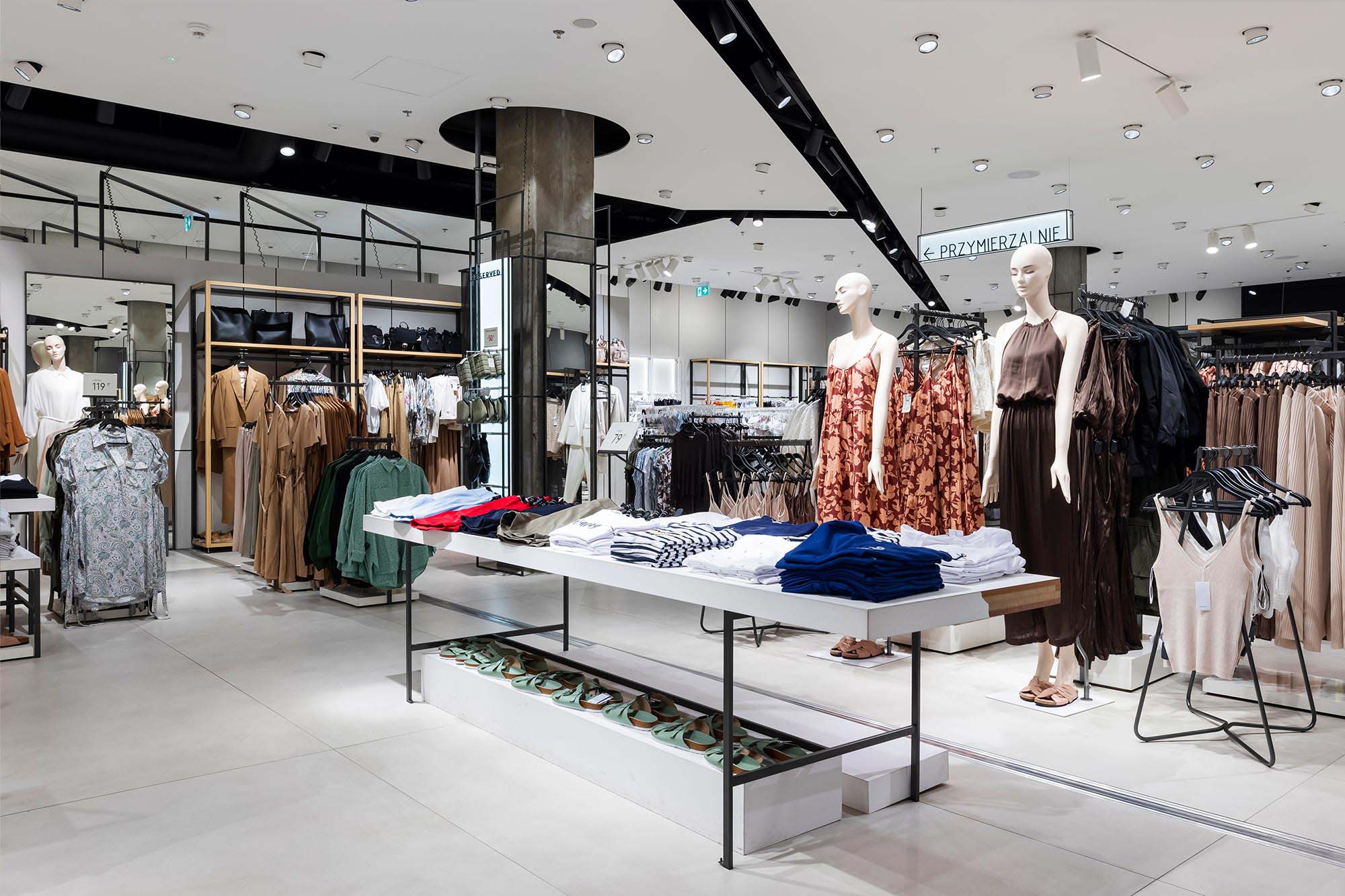
Collected at a point of real interaction. The customer was already in the store and already handling the product. They chose to sign up by tapping or scanning a sticker at the counter or in a fitting room, rather than surrendering a number to get past a popup.
Verified, so the base contains only real numbers. The six-digit code has to be confirmed before the contact exists. No typos, no invented numbers, no duplicates. An old database accumulates all three and nobody can say how many.
Continuity of sender. The first message came from the brand's sender ID with a discount the customer had asked for. Weeks later the campaign landed in that same thread, from that same sender. Recognition is doing a lot of the work in that 12%.


How others did it




Ask for the case study closest to your business
We will send the full version with the method, the placement plan and the numbers in context, and we will tell you plainly which parts of it will not transfer to your market.
